Which Smart Watch is Right for Me? eSIM Hub
Smart Watch Overview and the Internet of Things
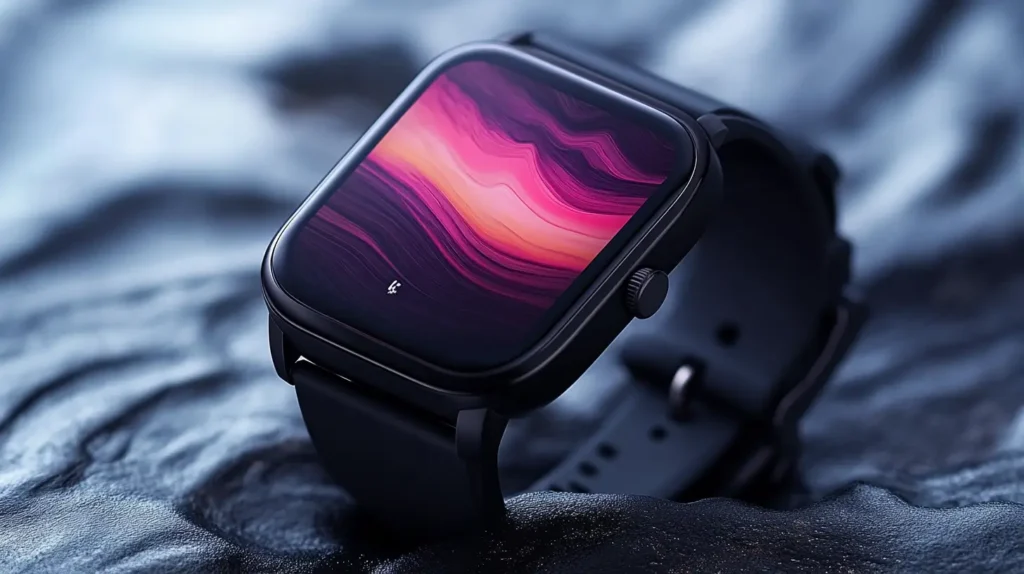
Smartwatches, sophisticated computers worn on the wrist. Stay up-to-date with notifications, as well as control your smart home environment on the fly. Smart watches work especially well when paired with a Smart Phone. Connectivity options typically encompass Bluetooth for seamless integration with smartphones and other peripherals, and Wi-Fi for direct network access.
Critically, a growing number of smartwatches incorporate cellular connectivity via eSIM technology. This enables untethered operation for calls, data, and app usage. For eSIM Hub, this overview will particularly emphasize the significance of eSIM-enabled smartwatches within the broader Internet of Things landscape. Let’s explore their capacity for standalone connectivity and their integral role in an increasingly interconnected personal and digital sphere.
Smart Watches
The Smart Watch is essentially a miniature computer on your wrist. Smart watches offer a rich ecosystem of features and often mirroring or extending the capabilities of a smartphone. Their connectivity often includes Bluetooth for pairing with smartphones and other devices, Wi-Fi for network access, and in many cases, cellular (via eSIM) for standalone connectivity. For eSIMHub, highlighting the cellular capabilities and how these devices integrate into a broader connected ecosystem will be key.
Smart Watch Key Brands:
eSIM Hub look at the key smart watch brands and makers in the industry right now.
Apple Watch:
Core Features: Known for its seamless integration with the Apple ecosystem. The Apple Watch offers a vibrant app store, and comprehensive health and fitness tracking. With robust notification management, and communication features (calls, texts), this is a top-tier smart watch. Newer models often include features like always-on display, brighter screens, and advanced sensors.
Connectivity: Primarily connects via Bluetooth and Wi-Fi. Cellular models with eSIM allow for calls, texts, and data usage without a paired iPhone.
IoT Integration: Integrates deeply with Apple’s HomeKit for smart home control. The Apple Watch can interact with various other IoT devices through compatible apps.
Target Audience: Anyone who is a fan of Apple products. Newcomers to the Apple ecosystem who are searching for a smart watch can also benefit.
Samsung Galaxy Watch:
Core Features: Offers a stylish design with a rotating bezel (on some models), a user-friendly Wear OS powered by Samsung interface, extensive health and fitness tracking (including ECG, blood pressure monitoring in some regions, body composition analysis), notification management, and Samsung Pay for contactless payments.
Connectivity: Connects via Bluetooth and Wi-Fi. Cellular models with eSIM provide standalone connectivity for calls, texts, and data.
IoT Integration: Seamlessly integrates with Samsung’s SmartThings platform for controlling a wide array of smart home devices. It can also interact with other compatible IoT devices through apps available on the Galaxy Store.
Target Audience: For Android users in the Samsung ecosystem. Users will be thrilled with a feature-packed, stylish smartwatch. The Samsung Smartwatch is one of the top tier products with strong smart home integration.
Google Pixel Watch:
Core Features: Represents Google’s direct entry into the smartwatch market, emphasizing a clean Wear OS experience and tight integration with Fitbit’s health and fitness tracking capabilities. Features include activity and sleep tracking, heart rate monitoring, SpO2 tracking, built-in GPS, and Google Assistant integration.
Connectivity: Connects via Bluetooth and Wi-Fi. LTE models offer standalone cellular connectivity through eSIM.
IoT Integration: Deeply integrated with Google Assistant for voice control of smart home devices compatible with the Google Home ecosystem. It also supports various apps on the Google Play Store that can interact with other IoT devices.
Target Audience: Android users who appreciate a streamlined Wear OS experience and strong integration with Google services and Fitbit’s health expertise.
Fitbit Smartwatches (Versa, Sense):
Core Features: Focus heavily on health and fitness tracking with features like continuous heart rate monitoring, sleep tracking (including sleep stages and sleep score), activity tracking, SpO2 monitoring, and in the Sense series, advanced features like ECG and EDA (electrodermal activity) for stress management and skin temperature sensing. They also offer basic smartwatch functionalities like notifications and app support.
Connectivity: Primarily connects via Bluetooth to smartphones. Some models may offer Wi-Fi for updates and music downloads, but cellular connectivity via eSIM is not a standard feature in these specific models.
IoT Integration: Integrates with various health and fitness apps and can connect to some smart scales and other health-focused IoT devices.
Target Audience: Health and fitness enthusiasts who prioritize detailed tracking and insights, with smartwatch features as a secondary benefit.
Huawei Watch:
Core Features: Known for their stylish designs and long battery life, Huawei smartwatches offer comprehensive health and fitness tracking (including SpO2 monitoring, heart rate monitoring, sleep tracking with TruSleep, and various workout modes). They also provide notification management, call functionality (on some models), and customisable watch faces.
Connectivity: Connects via Bluetooth to smartphones. Some higher-end models offer cellular connectivity (likely via eSIM in newer global versions).
IoT Integration: Integrates with Huawei’s ecosystem of smart devices and the Huawei Health app, which can connect to other compatible health and fitness IoT devices.
Target Audience: Users who value a balance of style, battery life, and comprehensive health tracking features, particularly those within the Huawei ecosystem.
Garmin Smartwatches:
Core Features: Cater to a wide range of activities and users, from general fitness tracking to specialized sports like running, cycling, and swimming. Features often include built-in GPS, advanced workout metrics, heart rate monitoring, SpO2 tracking, Body Battery energy monitoring, stress tracking, and some models offer features like Garmin Pay and music storage.
Connectivity: Primarily connects via Bluetooth. Some higher-end models offer Wi-Fi for updates and music syncing, and select models include cellular connectivity (potentially eSIM on newer versions) for safety features or connected services.
IoT Integration: Integrates with Garmin’s Connect platform and can connect to various Garmin sensors and accessories (e.g., heart rate straps, cycling sensors). Some models also offer Connect IQ app support for third-party integrations.
Target Audience: Fitness enthusiasts and athletes who require detailed performance tracking, robust build quality, and long battery life.
Hybrid Smartwatches:
These devices aim to bridge the gap between traditional analog watches and the functionality of smartwatches. They typically feature physical watch hands and a traditional watch face but also incorporate a hidden digital display or sub-dials to show notifications, activity tracking data, and other smart features.
Withings ScanWatch:
Core Features: The Withings ScanWatch is a prime example of a hybrid smartwatch focused on health tracking. It features a classic analog design with a small PMOLED display for notifications and health metrics. Key features include medical-grade ECG, SpO2 monitoring, sleep tracking (including sleep apnea detection), activity tracking, and connected GPS. It boasts a long battery life, often lasting for weeks on a single charge.
Connectivity: Connects to smartphones via Bluetooth for syncing data and receiving notifications. It does not have cellular capabilities.
IoT Integration: Primarily focuses on health data and integrates with the Withings Health Mate app, which can connect to other health and wellness platforms.
Target Audience: Users who appreciate the classic aesthetic of an analog watch but desire essential health tracking features and discreet smart notifications without the distraction of a full smartwatch display.
Which Smart Watch should I choose for me?
If you are shopping for a Smart Watch, it makes sense to pair your wrist wearable with whichever smart phone you currently are using. If you are using a Samsung Galaxy, go for a Samsung Smart Watch, likewise if you have a Google Pixel phone, get a Google Pixel watch. Tech-brands seamlessly integrate with like-products, so it makes sense to pair your smart watch with whatever smart phone you have.
Otherwise you can mix it up with a fashionable Garmin or Fitbit smart watch, which also integrate well with different smart phone brands.
Return to the homepage.